Ride Together through Living Wetlands
Bring your crew on wildlife-spotting family rides through wetlands and nature reserves, where boardwalks whisper, herons lift like kites, and curious eyes learn patience. We’ll share practical routes, gentle safety habits, kid-friendly games, and respectful ways to look closer without getting in the way. Subscribe and comment with your favorite sightings so this journey keeps growing with every shared pedal stroke.
Planning Paths Everyone Can Savor
Mapping Safe, Scenic Lines
Use park brochures, ranger tips, and satellite layers to trace routes with clear wayfinding, frequent pullouts, and wildlife blinds. Favor loops with easy bailouts for nap times or sudden showers. One ranger once circled an osprey nest on our map; pausing there rewarded patient whispers and a dramatic fish delivery.
Timing with Water, Light, and Seasons
Dawn and dusk often welcome shy creatures, while low wind keeps waters smooth for spotting subtle ripples. Check tides, migration calendars, and recent sightings boards near trailheads. Our brightest egret hour followed a soft drizzle, when insects lifted and hungry bills patrolled the edges with unhurried grace.
Comfort Stops and Quiet Lookouts
Plan restroom locations, shaded benches, and hides with viewing slits where little legs can rest while eyes stay busy. Agree on hand signals before entering quiet zones. We once found a tiny platform by cattails; stillness there coaxed a marsh wren into view like a secret handshake.
Packing for Comfort and Curiosity
Smart packing keeps focus on wildlife, not worries. Think layers that block sun and bugs, light rain shells, and dry socks in a zipper bag. Bring compact binoculars, a laminated bird guide, snacks kids can trade, and an extra bottle just for washing sandy hands after discoveries.
Layered Clothing that Breathes and Shields
Choose long sleeves in breathable fabrics, light gaiters, and brimmed hats that tuck neatly into panniers. Neutral colors help you blend into reeds better than bright neons. We learned quickly that a spare pair of socks can turn soggy grumbles into laughter before the next overlook.
Binoculars, Field Guides, and Curious Questions
Lightweight binoculars with a wide field make it easy for children to locate moving birds. Pair them with sticky-note tabs on a waterproof guide. Invite questions like why ibis curve their bills or how lily pads float; curiosity becomes the sweetest fuel to keep pedaling together.
Fueling the Ride: Water, Snacks, and Tiny Treats
Pack squeezable bottles, reusable cups, and fruit that can handle bumps without bruising. A timed snack bell every few miles refreshes spirits and keeps observation sharp. Our youngest spots best right after crunchy almonds and a shared apple slice, because content bellies notice more movement.
Reading the Wetland Like a Naturalist
Slow riding reveals hidden evidence that animals leave behind. Study ripples spreading under lilies, bubbles at crayfish chimneys, and prints pressed into damp sand. Teach children to sketch shapes, compare sizes, and imagine the unseen paths connecting nests, dens, and feeding grounds just beyond the cattail curtain.
Footprints, Ripple Rings, and Fleeting Shadows
Look low for three-toed prints tracing a heron’s patient steps, or raccoon handprints near mussel shells. Ripple rings spreading against the wind hint at surfacing fish. Point out sudden moving shadows across white sand; kids love guessing which turtle claimed that underwater corridor a heartbeat earlier.
Birdsong, Calls, and the Gift of Stillness
Practice one minute of shared silence at each overlook, then count distinct sounds. A clapper rail may betray itself with laughter from reeds, while red-winged blackbirds trill like bright badges. Celebrate guesses without correcting too quickly, so confidence grows beside accuracy and listening becomes a family strength.
Clouds, Breezes, and Water Levels
Teach how wind funnels along channels, nudging scents and sounds toward you. Explain why recent rain raises water above mudflats, moving shorebirds to shallower shelves. When children predict where life concentrates next, their wheels spin with purpose, and the ride becomes an investigation powered by gentle questions.
Keeping Kids Joyfully Engaged
Wildlife Bingo and Sound Hunts
Create cards with silhouettes of common birds, reeds, or animal signs, and include boxes for sounds like wingbeats or frog choruses. Award tiny stickers for quiet patience. Kids who feel seen for careful listening often surprise everyone by spotting the day’s rarest visitor first.
Storytelling at the Hide
While waiting in a hide, weave stories tied to real behaviors: why anhinga spread wings, how beavers engineer night shifts, where fireflies sleep. Invite each rider to add a sentence. The tale grows, patience stretches, and sudden wings feel like applause for collaborative imagination.
Sketchbooks, Stamps, and Quick Journals
Tuck slim notebooks and washable stamp pads into a frame bag. Encourage quick contour sketches, shape labels, and time-of-day notes at each stop. Later, compare pages over cocoa; you’ll trace patterns of animal movement and remember which lookout gifted that unforgettable otter slide.
Respectful Encounters and Safety Every Mile
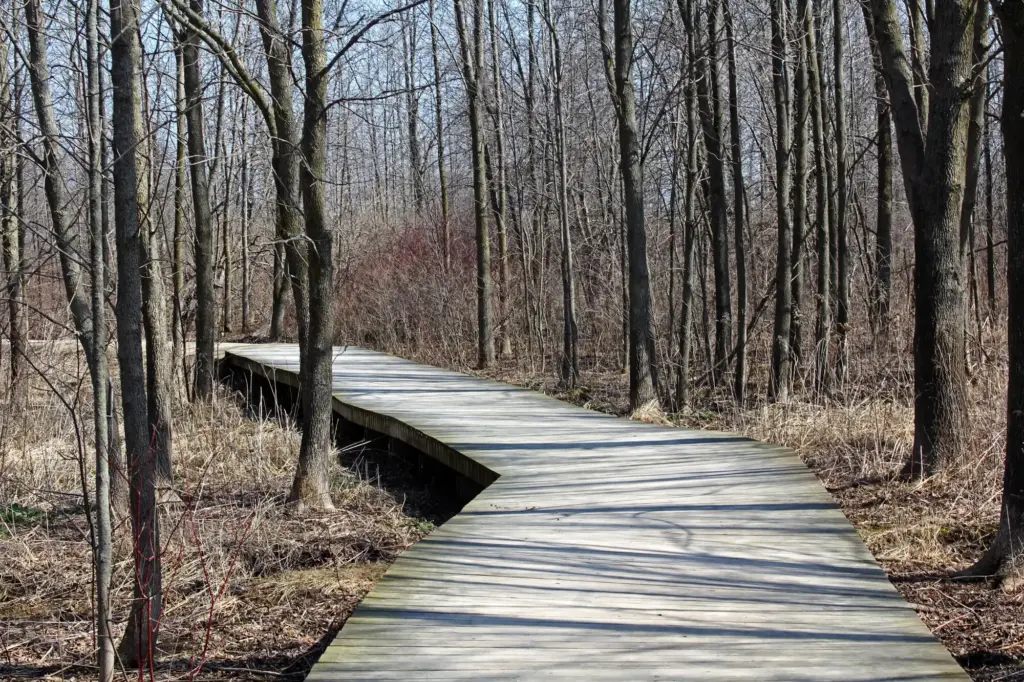
Wild places invite humility. Keep to marked surfaces, reduce speed near blinds, and use voices only when necessary. Teach children to observe first, act second. Carry a tiny trash pouch to leave spaces cleaner. Share questions in comments; rangers occasionally answer, enriching everyone’s next respectful visit.
Routes Worth Your Wheels
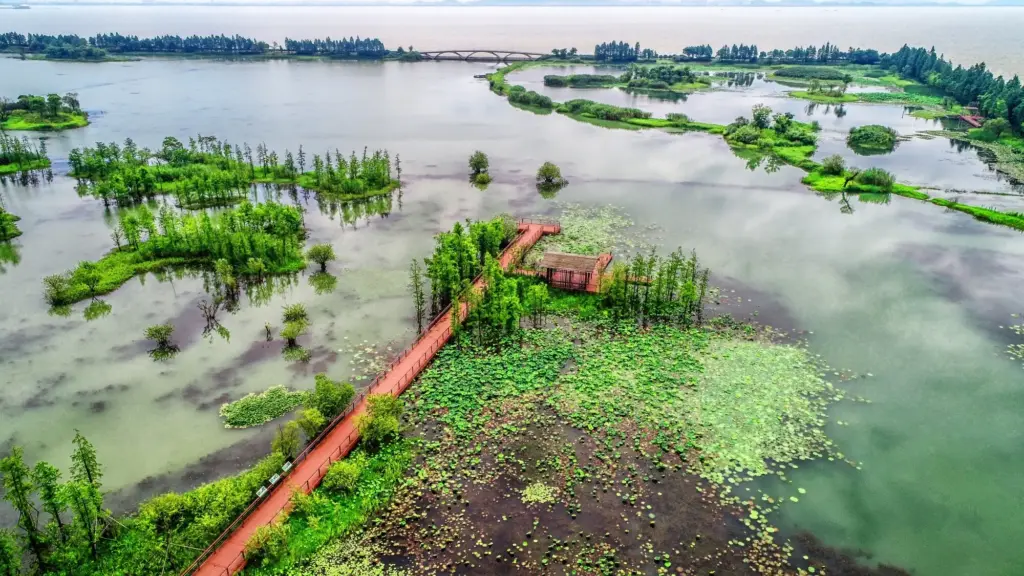
These ride ideas spotlight boardwalks, causeways, and family-friendly loops where wildlife thrives beside forgiving terrain. Always check current conditions and closures before you go. When you return, post your most surprising sighting and the precise overlook, helping other families choose their next confident, respectful adventure.

All Rights Reserved.